- Borouge
- ExxonMobil
- LyondellBasell
- DaTang
- LuQing
- BaoFeng
- JiuTai
- ...
Welcome to the official website of Yuanxiang Group Limited!

- /MORE NWES
-
-
-

-

-

Energy and Chemicals | Crude Oil: Sanctions Marginal Relaxation Suppresses Oil Product Price Gains, Oil Prices Fluctuate
Release time:2026-10-12 14:26:46.0 Reading volume:17 Return1.As of Friday, the WTI November contract closed at $91.85 per barrel, with a weekly gain of 0.44%. The Brent December contract closed at $104.72 per barrel, showing a weekly increase of 1.88%. Following the National Day holiday, trading for the next two sessions saw SC open high and trend upward before fluctuating, with SC2611 settling at 739.8 yuan per barrel. Performance varied among oil types, with Brent oil leading the gains, while WTI and SC oil types exhibited relatively weaker trends.
2. Geopolitically, the Strait of Hormuz serves as the lifeline for global oil transportation, with frequent attacks occurring weekly. From a chronological perspective, on October 2, an oil tanker was struck by "unidentified projectiles," causing a power outage and fire on board. On October 3–4, two oil tankers and an LPG carrier were hit. On October 5, an oil tanker's engine room caught fire, while another was ordered by Iran's Revolutionary Guards to turn back or face attack. On October 8, the UK Maritime Trade Operations (UKMTO) issued Notice 158, reporting that an oil tanker was hit by multiple projectiles in **Qatar waters, resulting in casualties. The tanker attacks have led to a sharp surge in overall tanker freight rates and increased transit costs. Additionally, Israel is reportedly preparing military action against Iran, with Trump suggesting it is "possible" to escalate airstrikes after the midterms. The deteriorating situation in Yemen has also prompted repeated attacks on Saudi Arabia. Over the weekend, Saudi airports were targeted, and further escalation of the situation is anticipated.
3. The soaring freight costs have disrupted the landed pricing, with a mid-October tanker order originating from the U.S. equivalent to a transportation cost of $41 per barrel after conversion, compared to an average of just $4.50 on the same route last year. This cost accounts for approximately 45% of the West Texas Intermediate crude futures price. Repeated disruptions in trade flows have exacerbated this predicament. Iran's actual suspension of crude oil exports to China forced Chinese buyers to seek alternative sources, driving up demand for tankers in the mainstream market. Additionally, Iran's attacks on commercial vessels led to the grounding and repairs of some ships, while others circumvented the Red Sea due to Houthi threats, adding thousands of miles to their routes.
4. Additionally, the U.S. Treasury Department permitted the supply of Russian diesel, temporarily lifting sanctions against it, effective until April 7, 2027. Trump announced that Russia would immediately supply over 300,000 tons of diesel to "the U.S. and global markets," followed by 500,000 tons in November, then 1 million tons, and subsequently 3 million tons, depending on "the condition of its diesel refineries." He also stated that diesel prices would "drop significantly, reach record levels, and do so quickly." Previously, Russia had suspended diesel exports until November, while Zelensky stated a week earlier that Ukraine would intensify strikes against Russian refineries this winter. This easing of sanctions alleviated concerns over high diesel prices, which were subsequently suppressed.
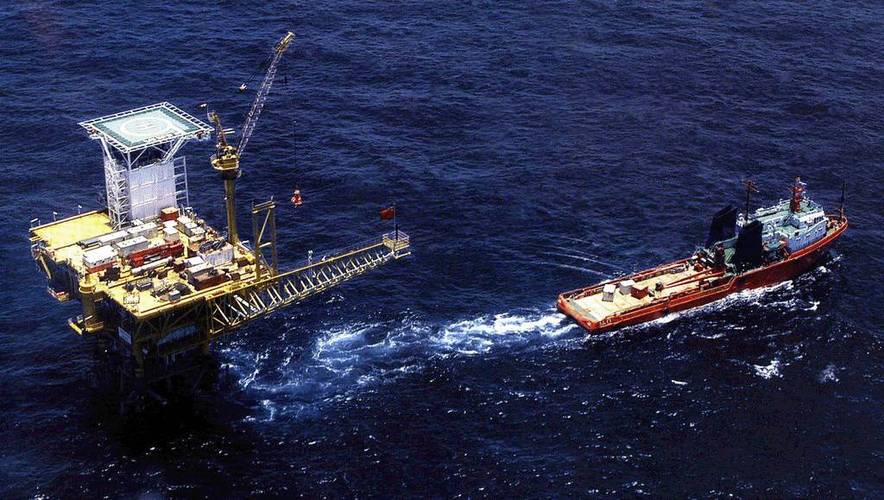
5. Hurricane Isaias has pushed up crude oil prices along the US Gulf Coast. The US Marine Mineral Management Agency (MMA) stated that the hurricane has caused a suspension of approximately 72% of crude oil production in the region. The US Marine Mineral Services Administration announced on Friday that producers have suspended approximately 1.46 million barrels per day of crude oil production, accounting for 72% of the total crude oil production in the region. As of 12:00 PM Eastern Time on Friday, 129 offshore platforms have evacuated personnel, and two power positioning drilling platforms have left the storm path. This has also become an unexpected factor affecting the current US crude oil supply, and the market will further evaluate the impact and sustainability of hurricanes on the crude oil supply side.
6. From the current crude oil market perspective, the premium of geopolitical conflicts on the crude oil market is still ongoing. Unlike in the early stages of the conflict, the current market presents a huge structural differentiation, with tanker freight rates rising to a 60 year high, causing the proportion of freight in landed prices to soar to an extreme level. At the same time, the game between various parties is still ongoing before the midterm elections, but policy constraints on the increase of crude oil and refined oil prices have become the core demand of the United States to curb inflation, so the overall oil price center will still show a pulse like upward trend.
-
Scan to add WeChat/WhatsApp
Manager Mei/17720779910